
Online Master of Legal Studies in Healthcare Law

Address the increasing complexity of healthcare law

START HERE

Share a few details and we'll connect you with an enrollment coach to discuss your goals and next steps.

By submitting my information, I consent to being contacted by The University of Oklahoma and/or OU Education Services via SMS/text message, phone, email, and other electronic means, including through the use of an automatic telephone dialing system, AI-powered technologies, and artificial or pre-recorded voice, for purposes related to OU’s program portfolio; my contact information will not be shared with third-party affiliates. Message and data rates may apply. Opt-out of communications any time by replying STOP to SMS, asking to be removed during a call, or clicking the unsubscribe link in emails. For support, refer to the Privacy Policy and Terms of Service for more details.


At a Glance

Earn your online MLS in Healthcare Law in as little as 15 months as a full-time student and build a powerful foundation in legal, regulatory, and business frameworks that shape the healthcare industry.

OU Law’s online programs feature small class sizes that foster a close-knit, collaborative learning environment. Learn from expert OU faculty who bring real-world experience into every course and challenge you to think critically about how healthcare law impacts your profession and your future.

100% Online

Time to Complete:

15+ Months

Credit Hours:

32

Time Commitment:

10 to 20 Hours Weekly

start dates

Fall, Spring, & Summer

cost

Oklahoma Residents: $643.30 per credit hour, plus additional fees of $201.30 per credit hour and $117.50 per semester.

Non-Residents: $1,167.50 per credit hour, plus additional fees of $201.30 per credit hour and $117.50 per semester.

START HERE

Share a few details and we'll connect you with an enrollment coach to discuss your goals and next steps.

By submitting my information, I consent to being contacted by The University of Oklahoma and/or OU Education Services via SMS/text message, phone, email, and other electronic means, including through the use of an automatic telephone dialing system, AI-powered technologies, and artificial or pre-recorded voice, for purposes related to OU’s program portfolio; my contact information will not be shared with third-party affiliates. Message and data rates may apply. Opt-out of communications any time by replying STOP to SMS, asking to be removed during a call, or clicking the unsubscribe link in emails. For support, refer to the Privacy Policy and Terms of Service for more details.
About the Online MLS in Healthcare Law

The online MLS in Healthcare Law is a 32-credit-hour program designed for professionals whose work intersects with healthcare delivery, access, quality, liability, operations, organization, or finance. This degree equips non-lawyers with essential knowledge of the complex and rapidly evolving civil, criminal, and administrative laws that shape the healthcare landscape.

The program follows the university’s general graduate transfer credit policies and may allow qualified students to apply previously earned graduate-level coursework toward the degree. Eligible transfer credits must be completed at an accredited institution, be less than five years old at the time of graduation, and cannot have been applied toward a previously completed degree. Students requesting transfer credit must submit a syllabus for each course for review.

If you already hold a law degree or are a practicing attorney, you may be interested in the Online Master of Laws in Healthcare Law program.

Created for healthcare professionals seeking a deeper understanding of legal and policy frameworks, this program empowers graduates to navigate regulations and compliance challenges with confidence. You will learn to integrate laws and regulations into operational policies and procedures, supporting best practice compliance across healthcare provider settings.

The curriculum is delivered in seven- or eight-week modules, with two modules per semester. Students typically take two courses at a time.

The Council of the Section of Legal Education and Admissions to the Bar of the American Bar Association (the “Council”) does not accredit or approve non-J.D. degrees or certificates. In its review of non-J.D. degree program applications, the Council determines whether the proposed degree program will interfere with the ability of the law school to operate in compliance with the Standards and to carry out its program of legal education. Acquiescence in a degree other than the J.D. degree is not an approval of the degree itself, and, therefore, the law school may not announce that the degree is approved by the Council. The accreditation of non-J.D. degree programs are subject to the oversight of the law school’s or its university’s national accreditor.

What Can I Do with the Degree?

Earning your online Master of Legal Studies in Healthcare Law from the University of Oklahoma College of Law positions you for a high-impact career with organizations that are shaping the future of global healthcare and driving economic growth. Accelerate your career in the following areas:

  • Healthcare Compliance Officer
  • Healthcare Policy Analyst
  • Healthcare Risk Manager
  • Healthcare Contracts Manager
  • Healthcare Consultant
  • Health Information Privacy Officer
  • Medical Staff Coordinator
  • Pharmaceutical Regulatory Affairs Specialist
  • Medical Malpractice Claims Analyst
  • Healthcare Accreditation Specialist

Our Faculty

Teresa A. Williams

Teresa A. Williams


Adjunct Professor Teresa A. Williams is an Adjunct Professor at the University of Oklahoma College of Law, where she teaches courses in the Master of Legal Studies and LLM programs in Healthcare Administration. She is also Of Counsel at Christensen Law Group in Oklahoma City and provides healthcare law, compliance, and privacy consulting to hospitals, health systems, and accountable care organizations. Williams previously served as General Counsel and Vice President of Regulatory Services at INTEGRIS Health, where she spent 22 years overseeing Legal Services, Corporate Compliance, and Legislative Affairs and served as Corporate Compliance and Privacy Officer for eight years. She has practiced law since 1991 and previously served as a director at Crowe & Dunlevy. Her healthcare practice includes physician and hospital contracting, managed care, joint ventures, mergers and acquisitions, compliance, regulatory matters, HIPAA and privacy, EMTALA, electronic medical records, clinical research, and medical staff issues. Williams is a frequent author and speaker on healthcare law and has been recognized as an American Health Law Association Fellow. She is a past president of the Oklahoma Health Lawyers Association and the Oklahoma Bar Association Health Law Section. Williams teaches courses in the Healthcare Law Master of Legal Studies and LLM programs.

READ BIO

Michael D. Granston

Michael D. Granston


Adjunct Professor Michael Granston is a partner at Covington & Burling, where he chairs the firm’s False Claims Act Investigations and Litigation practice. He previously spent nearly 30 years with the U.S. Department of Justice’s Civil Division, pursuing and supervising healthcare fraud matters and serving as Deputy Assistant Attorney General. He also served for more than a decade as the Civil Division’s Deputy Designated Agency Ethics Official. Before joining the Department of Justice, Granston practiced at Covington & Burling, handling civil and criminal matters. He began his legal career as a law clerk to Judge David Ebel of the U.S. Court of Appeals for the Tenth Circuit and Judge Jan DuBois of the U.S. District Court for the Eastern District of Pennsylvania.

READ BIO

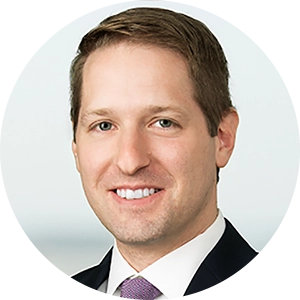
Kevin W. Buono

Kevin W. Buono


Adjunct Professor Kevin Buono has more than a decade of private practice experience and is currently a partner in the Boston office of Morrison Mahoney LLP, where he is a member of the firm’s Health Law and Appellate practice groups. His practice focuses on healthcare commercial transactions and regulatory compliance, as well as consumer class actions and mass torts, drug and medical device liability, medical malpractice defense, long-term care liability, and other healthcare-related litigation. He represents regional and national clients across several areas of health law and has represented amici curiae before the Massachusetts Supreme Judicial Court on issues of first impression involving product liability, class actions, and healthcare finance. Buono is also an assistant professor of legal practice at the University of Massachusetts School of Law. He previously served on the full-time faculty at OU Law from 2024 to 2026 and as a lecturer at Rutgers Law School and New England Law | Boston. He earned his undergraduate degree from American University and his JD from New England Law | Boston.

READ BIO

Karen S. Rieger

Karen S. Rieger


Adjunct Professor Karen Rieger is an Adjunct Professor in the University of Oklahoma College of Law’s Master of Legal Studies and LLM program in Healthcare Law. She is a recognized authority on healthcare legal issues and matters affecting nonprofit corporations and is Chair Emeritus of the Healthcare practice group at Crowe & Dunlevy, where she has practiced since 1981. Her practice focuses on healthcare law, including the Affordable Care Act, Anti-Kickback and Stark laws, HIPAA privacy and security, tax-exempt and governmental healthcare providers, Medicare reimbursement, medical staff matters, acquisitions, joint ventures, and healthcare contracts. Rieger is a frequent seminar presenter, author, and dispute resolver and has served as a director of the Oklahoma Health Lawyers Association and chair of the Oklahoma Bar Association Health Law Section. She is the author of The Medical Staff Guidebook: Minimizing Risks and Maximizing Collaboration (2016 Edition). Rieger earned a BA in Journalism, with distinction, and a JD, with honors, from the University of Oklahoma.

READ BIO

Elise Dunitz Brennan

Elise Dunitz Brennan


Adjunct Professor Elise Brennan has practiced law for more than 40 years, with a focus on healthcare law for the past 30 years. She began her career in commercial and employment litigation and administrative hearings before transitioning to healthcare law, where she now represents healthcare systems, hospitals, pharmaceutical and medical device companies, and long-term care facilities. Her practice focuses on operational and regulatory matters, compliance, mergers and acquisitions, HIPAA, Medicare, Anti-Kickback and Stark laws, EMTALA, managed care, physician and medical staff matters, licensure, peer review, fraud and abuse, risk management, and healthcare transactions and contracting. Brennan serves as an arbitrator for the American Arbitration Association and as an arbitrator, mediator, and trainer for the American Health Law Association. She has been an Adjunct Professor of Law at the University of Oklahoma since 2018, where she teaches Professional Relations in Healthcare Enterprises and a course on comparative healthcare systems. Brennan is a Fellow of the American Health Law Association and the first Oklahoma attorney elected to the organization. She has been recognized by Chambers USA and The Best Lawyers in America and has received numerous professional honors, including the Oklahoma Journal Record Leadership in Law Award and Oklahoma Bar Association Spotlight Award.

READ BIO

Peter Cooch

Peter Cooch


Adjunct Professor Peter Cooch is a professor in the University of Oklahoma College of Law where he teaches Experiencing a Simulated Investigation. He is currently a trial attorney in the United States Department of Justice, Criminal Division, Fraud Section. As a federal prosecutor, he investigates and prosecutes violations of federal criminal law. Cooch previously worked as an associate at King & Spalding LLP in the firm’s Special Matters and Government Investigations practice group. His practice focused on civil and criminal investigations and litigation in state and federal courts throughout the country. As an associate at King & Spalding, he gained substantial experience defending individuals and corporations in healthcare investigations in the pharmaceutical and medical device industries. He holds a BS in Finance from the University of Maryland, College Park—University Honors Program, and a JD, cum laude, from the University of Maryland Francis King Carey School of Law.

READ BIO

Sunny Rowland

Sunny Rowland


Assistant Professor Director of Academic and Bar Support Sunny Rowland is the Director of Academic and Bar Support at OU Law and the Director of the Paralegal Studies Program. Before joining OU Law, she practiced law in Oklahoma City, focusing on transactional law and mediation. Rowland began developing and teaching courses for OU’s College of Liberal Studies and College of Professional and Continuing Studies and OU Law’s Paralegal Studies Program in 2006. She is admitted to practice law in Oklahoma and holds Supreme Court of Oklahoma certifications in civil, commercial, employment, and family/domestic mediation. She is a member of the Oklahoma Bar Association, American Bar Association, Association of Academic Support Educators, and Association of American Law Schools.

READ BIO

Back

Program Outcomes: What You'll Learn

Program Outcomes: What You’ll Learn

OU College of Law’s MLS in Healthcare Law program delivers a comprehensive legal foundation across the most pressing issues facing healthcare organizations today. You will:

  • Analyze key federal and state statutes, regulations, government advisory opinions, judicial decisions, and health policy initiatives
  • Explore the evolution of healthcare regulations related to access, cost, quality, liability, organization, and finance
  • Identify behaviors and practices by individual and institutional providers, as well as public and private payers, that may result in civil, administrative, or criminal penalties
  • Conduct legal research on federal and state laws and policies that impact patients, insured individuals, and human research subjects in the United States
  • Examine the intersection of individual and public health, including legal challenges highlighted by the COVID-19 pandemic
Program Outcomes: What You'll Learn

Course Details

The Master of Legal Studies in Healthcare Law provides a deep dive into the legal complexities of the healthcare industry. You will explore critical topics such as the Affordable Care Act, Medicare and Medicaid billing codes, quality control standards, private health insurance regulation, antitrust concerns, medical contracts, Stark Law, and both federal laws like HIPAA and ACA, as well as key state regulations.

Expand each section below to view more about the courses included in this program, including detailed course descriptions.

For complete curriculum information, including required courses and degree requirements, visit the program’s official Courseleaf page: View the full curriculum.

Introduction to the American Legal System

Credit Hours: 2
Examines the United States court system, the role of the Constitution, and other foundations in US law and their relation to the healthcare system. Introduces students to fundamental principles in US law. Explains how law functions with our society and how it plays a role in conflict resolution, civil liberties, equality, in contracts, and interacts with the U.S. healthcare system.

Structure of Health Care Enterprises: Legal Forms, Governance, and Relationships

Credit Hours: 2
The course will cover the different legal forms a healthcare enterprise can take, including Non-profits, physician-owned, government-owned, and Hospital systems. This course will also familiarize students with the contents and role of organizational documents, Governance issues, fiduciary duties, issues for tax-exempt organizations, and relationships between Physicians and tax-exempt entities.

Regulation of Private Health Insurance, Managed Care

Credit Hours: 3
Prerequisite: Admission to the Master of Legal Studies and/or Master of Laws Programs. This course will cover the regulation of health insurance companies with a focus on changes brought about by the Affordable Care Act (ACA). Students will become familiar with managed care concepts and analyze key components of healthcare plans.

Fraud and Abuse Claims

Credit Hours: 3
Will cover the federal physician self-referral law, fraud, and abuse law. Students will learn the statutes, regulations, and advisory opinions that define the parameters of physician referrals and anti-kickback laws, analyzing case studies for those issues. Students will familiarize themselves with the False Claims Act and other laws, regulations, and government regulatory actions designed to combat false claims and fraudulent activities.

Anti-Trust Issues in Healthcare Delivery

Credit Hours: 2
Focuses on antitrust issues relevant to health care providers: hospital and physician mergers, virtual mergers and joint ventures; exclusive contracts and other medical staff exclusion issues; covenants not to compete; managed care plans; antitrust defenses such as state action, nonprofit, learned profession, efficiencies, failing business, etc.; and federal and state healthcare antitrust regulatory efforts, including healthcare collaborative guidelines.

Health Care Transactions and Contracts

Credit Hours: 2
This course covers the business, regulatory, and legal issues that arise in healthcare business transactions: asset sales, mergers, joint ventures, procurement contracts, and the application of tax laws to transactions. In addition, this course will cover the fundamental principles of contract law and the role of valuations in healthcare transactions.

Sources and Types of Liability of Healthcare Institutions and Professionals

Credit Hours: 2
Will discuss how the healthcare providers and institutions can be held liable as well as the consequences of agency and contractor status. In addition, this course will cover the elements of negligence in cases involving healthcare professionals.

Quality Control: Licensing, Accreditation, and Quality Regulation

Credit Hours: 2
Designed to introduce students to the laws, agencies, and other bodies that license, regulate and discipline physicians. Topics covered will include licensing proceedings and hearings and health care entity policies addressing these issues.

Overview of Public Health Care Programs

Credit Hours: 3
Will cover public health insurance (including Medicare, Medicaid, government hospitals, and other government-financed health programs). In addition, this course will cover what treatment is required of anyone coming into an Emergency department by the Emergency Medical Treatment and Labor Act (EMTALA).

Coding and Billing

Credit Hours: 2
Provides students with working knowledge of the business side of medicine: medical record documentation, coding and billing. This course will provide students with an in-depth knowledge of the legal role of the medical record, specifically in the context of obligations for the organization of the medical record and its support for reimbursement of services.

Health Information Management

Credit Hours: 2
Will cover health information law and policy as it pertains to data security and privacy of electronic health records in the United States. Students will examine how individual health information is collected, maintained, and transferred in this electronic information age, and the ramifications when such information is improperly protected, stolen, and misused.

HIPAA/Patient Privacy

Credit Hours: 2
Explores the federal regulatory scheme designed to protect the privacy and security of health information. Topics covered include; Entities and information to which the Health Insurance Portability and Accountability Act of 1996 HIPAA) applies, HIPAA compliance and enforcement, American Recovery and Reinvestment Act (ARRA), and the Health Information Technology for Economic and Clinical Health

Professional Relationships in Health Care Enterprises

Credit Hours: 2
Covers professional relationships between and among healthcare enterprises and the differences and between direct employment and independent practitioners with privileges when looking at; credentialing, disciplinary issues, and the Healthcare Quality Improvement Act.

Experiencing a Simulated Investigation

Credit Hours: 3
Prepares students for experiencing an investigation including how to prepare for potential investigation and how to respond to and cooperate with an investigation. A portion of the course will involve live simulation exercises.

Why OU

Why Choose OU for Healthcare Law

The OU College of Law offers a Juris Doctor program consistently ranked among the nation’s best for value. That same commitment to excellence and innovation makes OU Law a standout choice for earning your Master of Legal Studies in Healthcare Law.

Faculty Expertise

Faculty members are carefully selected for their expertise in healthcare law. You’ll learn from a mix of attorneys, compliance officers, and medical professionals who will challenge and encourage you to think deeply about how law impacts the healthcare industry and your own role moving forward.

Robust Student Support

OU Online and the OU College of Law offer robust student support services, including academic support, online tutoring, mental health counseling, and an online career development center. The program accommodates the needs of working professionals, allowing you to expand your healthcare legal expertise while maintaining full-time employment.

Global Alumni Network

With over 250,000 alumni worldwide, joining the OU Online community means gaining access to a global network of legal and business professionals. As a Sooner, you’ll be part of a powerful community of leaders working in multinational corporations, law firms, government agencies, and NGOs, helping you expand your healthcare law career.

Why OU

Flexible Format

The Master of Legal Studies in Healthcare Law is delivered in a fully online, flexible format built for working professionals around the world. Earn your degree in as little as 15 months while maintaining full-time employment and personal commitments. Study from anywhere and gain specialized legal expertise that opens doors to a wide range of healthcare law careers.

Tailored Experience

Move through the program with a small, focused cohort of professionals who share your passion for healthcare law. Courses are asynchronous for maximum flexibility, yet designed to be highly interactive. Stay connected through engaging discussions, optional live lectures, personalized support, and collaborative online activities—all while learning at your own pace.

Cost & Financial Aid

Cost & Financial Aid

Earning your Master’s in Healthcare Law from OU Online is a smart investment in a growing and dynamic field. We’re committed to making that investment as transparent and accessible as possible—so you can focus on advancing your career.

Oklahoma Residents: $643.30 per credit hour, plus additional fees of $201.30 per credit hour and $117.50 per semester.

Non-Residents: $1,167.50 per credit hour, plus additional fees of $201.30 per credit hour and $117.50 per semester.

  • Additional fees and a semester fee may apply.

To help reduce your out-of-pocket costs, financial aid, scholarships, and employer tuition assistance may be available. Our dedicated financial services team is here to support you every step of the way.

For questions about financial aid, contact the OU Online Financial Aid Office at onlineaid@ou.edu or call 405-325-2929.

A nonrefundable deposit of $350 is required upon admission to secure your place in the program. This deposit guarantees your spot in your first semester of courses and will be applied toward your first semester’s tuition.

* Please be aware that tuition and fees may change, as determined by the Oklahoma State Regents for Higher Education.

Cost & Financial Aid

Take the Next Step

Each application for the online MLS in Healthcare Law is carefully evaluated to select a cohort in which students can each be successful in the program and contribute to the learning experience. Candidates are considered holistically, with consideration given to factors beyond scores, GPAs, and other numerical performance indicators.

Minimum qualifications for admission to the MLS program include the following:

  • A bachelor’s degree or equivalent from a regionally accredited college or university
  • For graduates of a college or university outside the United States, the College of Law will follow OU Norman campus determinations of equivalency
  • An undergraduate GPA of 2.0 or higher (adjusted as required for courses in which grades were provided under a different standard)

Admissions Requirements

  • Complete an online application
  • Submit a current resume
  • Provide official transcripts from all institutions attended*
  • Provide a personal Statement

*Sealed official transcripts from all previous institutions should be sent directly to the University of Oklahoma.

Sending digitally is preferred to lawtranscripts@ou.edu.

If you are sending physical copies, please send to:

The University of Oklahoma College of Law
ATTN: MLS/LLM Programs
300 Timberdell Road
Norman, OK 73019

Application Timeline

The admissions committee follows a rolling admissions process*, with applications accepted up to two weeks before classes begin. Some programs may require earlier submission, so applying early is encouraged. The committee aims to respond to all applicants within two weeks of receiving a completed application.

*This program typically has an earlier application deadline than the standard 14 days prior to the intended start. Please check directly with the program to ensure your application is received in time.

Step 1

Contact an Enrollment Coach to discuss your qualifications and interest in the program.

Step 3

Provide supplemental materials, including a resume, personal statement, and undergraduate transcripts.

Back

START HERE

Share a few details and we'll connect you with an enrollment coach to discuss your goals and next steps.

By submitting my information, I consent to being contacted by The University of Oklahoma and/or OU Education Services via SMS/text message, phone, email, and other electronic means, including through the use of an automatic telephone dialing system, AI-powered technologies, and artificial or pre-recorded voice, for purposes related to OU’s program portfolio; my contact information will not be shared with third-party affiliates. Message and data rates may apply. Opt-out of communications any time by replying STOP to SMS, asking to be removed during a call, or clicking the unsubscribe link in emails. For support, refer to the Privacy Policy and Terms of Service for more details.