
The Residency Advantage: Inside OU’s Hybrid Executive MBA in Energy
October 23, 2026 2026-10-27 15:17
 Name: Jake Hitchings
Hometown: Oceanside, California
Job: Product Developer, Peregrine Energy Solutions
“I’ve been working as an energy developer for private firms for a couple of years now and found that there are just some gaps in my professional knowledge that seemed like they could be filled with traditional schooling,” Hitchings said. “I targeted OU at the beginning as an opportunity to finally get to come back and pick up a degree. Whenever I found out that the hybrid Executive MBA in Energy was energy-specific, I hopped straight into it. The instructors for these programs are exceptional. They are industry professionals who are bringing real-world examples of what’s going on. I don’t think that there’s anything at all that could replace that.”
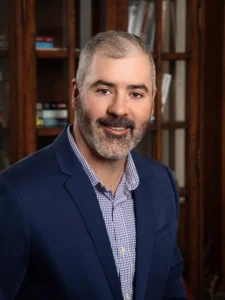 Name: Kyle Chance
Hometown: Weatherford, Oklahoma
Job: Production Analyst, Devon Energy
“The hybrid nature of the program was a big reason why I chose to do this,” Chance said. “In the last five or six days, I’ve gained more knowledge and understanding than I did probably in the last 12 years. And every class we take, it continues to grow. I’m so impressed with everybody that’s in this class and their knowledge base. We’re all learning from each other. I feel like we’re getting an in-depth look into the energy industry.”
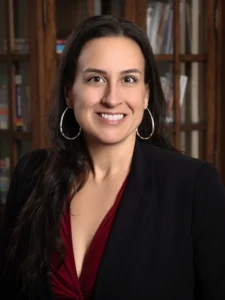 Name: Suzanne Swink
Hometown: Washington, D.C.
Job: Head of Government Affairs for the Americas, Baker Hughes
“I had been looking specifically for an MBA program that would help me be a better lobbyist,” Swink said. “I’ve been a longtime in-house corporate lobbyist for energy companies, and I wanted to be able to have better and deeper conversations with my finance guys, with my project development guys, with our investor relations folks. And I wanted something specific to the energy industry. I did a lot of searching, and there are lots of programs that focus on sustainability and corporate governance and things like that. But this was the one that both fit my schedule, in terms of the hybrid nature, as well as the topics, in terms of focusing specifically on the energy industry.”
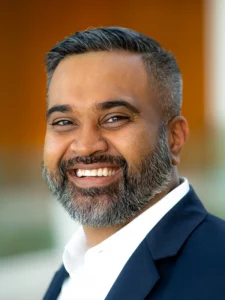 Name: Sunil Isaac
Hometown: Oklahoma City, Oklahoma
Job: Sr. Supervisor, Technology, Devon Energy
“Even though I’m still early in the OU EMBA in Energy program, I’m already seeing tremendous value,” Isaac said. “My career has been focused in the oil and gas sector, but the breadth of the curriculum, spanning every sector of energy, has given me a deeper understanding of my own industry and how it fits into the bigger picture. I’m having richer, more meaningful conversations with stakeholders across the business, and I’m able to bring a broader perspective to my role in technology. The program connects what’s happening in the classroom to the challenges we face every day, and I’d encourage anyone looking to grow in this industry to consider it.”
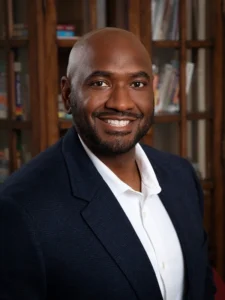 Name: Christopher Pittman
Hometown: Washington, D.C.
Job: Senior Project Manager, Michels Trenchless, Inc.
“When you come into this program, you don’t feel like you’re just a student,” Pittman said. “You feel like you’re part of a network. You feel like you’re already integrated into that executive role, and it’s just up to you to capitalize on that. You’re going to get out what you put in. It’s a lot of hard work, but you have the tools, you have the resources, and everyone’s very flexible. There’s so much information that even if you feel like you’ve only taken away 50 percent, you’ll have a full database coming out of this program. It’s more hands-on. It’s more direct. It’s all energy. It’s everything you need.”
 Name: Garrett Sabino
Hometown: Colorado Springs, Colorado
Job: Lead Developer, Peregrine Energy Solutions
“The professors are professionals from across energy who are ready and staying current within the national industry,” Sabino said. “The professors and other students and the alumni network have been incredible. They bring that current knowledge to the classroom and are a resource inside and outside of that classroom. Being able to take that knowledge and apply it to my daily work already has been fantastic.”
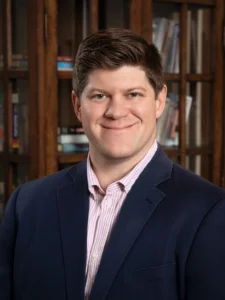 Name: Ryan Dolan
Hometown: Columbus, Ohio
Job: Director of Transmission Planning and Development, NextEra Energy
“Having cohort members who are actively working in other sectors has really been valuable, as they bring a different perspective to the table and allow you to expand your knowledge directly, learning from their direct experience. The professors really bring a strong, diverse background, and a lot of real-life, applicable insights, with many of them working in executive positions themselves. Having that strong guidance in my development has been extremely valuable. For these 10 days, but also going forward, being able to be exposed to alumni who have gone through the program and gone on to develop and grow in their careers is extremely rewarding, not only to get insights into where they’ve gone with their opportunities, but also to get their insights on where they see the future going in their sector.”