Online Master of Clinical Mental Health Counseling

Make a positive impact on the mental health of individuals and society

YOUR FUTURE STARTS HERE

Complete the form below to learn more about our online programs and how to get started.

By submitting this form, I consent to the University of Oklahoma (OU) and its agents contacting me about educational opportunities via automated calls, text messages, and/or email at the number and email provided. Message and data rates may apply. Consent is not required to attend the OU or to receive information by other means. For details on how OU collects and protects your information, review the Privacy Policy.

At a Glance

The online Clinical Mental Health Counseling master’s program from OU Online is a 60-credit-hour program designed by the University of Oklahoma’s Department of Human Relations. You can complete the program in as few as 30 months while gaining the skills to become a Licensed Professional Counselor (LPC)*. 

This transformative degree equips graduates to support individuals, families, and communities while addressing systemic changes.  The curriculum blends academic rigor with real-world relevance, emphasizing professional responsibility, cultural responsiveness, and ethical practice.

100% Online

Time to Complete:

30+ Months

Credit Hours:

60

Time Commitment:

10 to 20 Hours Weekly

start dates

Fall, Spring, & Summer

cost

The master’s in clinical mental health counseling online delivers a strong return on investment. You will build advanced skills and expertise that position you for leadership roles, career advancement, and higher earning potential in the mental health field. 

Tuition and fees for the program total $50,700 ($845 per credit hour). Costs for books and additional materials are not included. 

YOUR FUTURE STARTS HERE

Complete the form below to learn more about our online programs and how to get started.

By submitting this form, l consent to the University of Oklahoma (OU) and its agents contacting me about educational opportunities via automated calls, text messages, and/or email at the number and email provided. Message and data rates may apply. Consent is not required to attend the OU or to receive information by other means. For details on how OU collects and protects your information, review the Privacy Policy.

About the Online Master of Clinical Mental Health Counseling

The online Master of Clinical Mental Health Counseling is a 60-credit-hour program built around a dynamic curriculum shaped by principles of social justice and multiculturalism. In addition to flexible asynchronous coursework and live online class sessions, students attend two immersive, weeklong residencies on the OU campus. Each residency includes a full-day, in-person course designed to deepen learning and build community. 

Students also gain hands-on experience through a 100-hour practicum and a 600-hour internship, completed in person to meet state licensure requirements*. 

To graduate from the program, students must complete: 

  • 51 credit hours of required coursework while maintaining a minimum 3.0 GPA 
  • A 100-clock-hour practicum, including 40 direct hours, with timely completion of all assignments and positive evaluations from both the practicum professor and onsite clinical supervisor 
  • A 600-clock-hour internship, including 240 direct hours, with timely completion of all assignments and strong reviews from both the internship professor and the onsite clinical supervisor 
  • Completion of two in-person Residencies
  • Weekly virtual attendance is mandatory for Practicum and Internship courses.
  • A passing score on the Counselor Preparation Comprehensive Exam (CPCE), or another comprehensive exam approved by faculty on a case-by-case basis 

*This degree is approved by the Oklahoma Board of Behavioral Health Licensure and meets the educational requirements of becoming an LPC in Oklahoma. Licensure requirements vary by state, and students outside of Oklahoma should review the state licensure board requirements for their state. 

Residency Requirement

  • Where: These will take place on our OU campus or our HSC campus in Oklahoma City
  • How: Residency will occur over a two-day period (All day Friday and Saturday). This will be an in-person experience and is mandatory for all students.
  • When:
    • The first residency will take place during your first 18 credit hours in the program
    • The second residency will occur during our Practicum/Internship summer semester

Download the Academic Year 2023/2024 Program Evaluation Outcome Report (PDF) 

Download the CMHC Program Update (Word)

What Can I Do with a Master of Clinical Mental Health Counseling?

Earning an online Master of Clinical Mental Health Counseling from the University of Oklahoma positions you for meaningful career growth in a high-demand field. This degree opens doors to impactful roles where you can make a difference in the lives of individuals, families, and communities. Accelerate your career in roles such as:

  • Marriage and Family Therapist
  • Behavioral Disorder Counselor
  • Substance Abuse Counselor
  • Mental Health Counselor

Industry Insights

  • Median Pay for counselors and therapists is $59,190 to $63,780 per year
  • Job Outlook: Employment for counselors and therapists is projected to grow 16 to 19 percent through 2033
  • Job Openings: More than 55,000 job openings for counselors and therapists are expected each year through 2033
Source: U.S. Bureau of Labor Statistics

Master of Clinical Mental Health Faculty

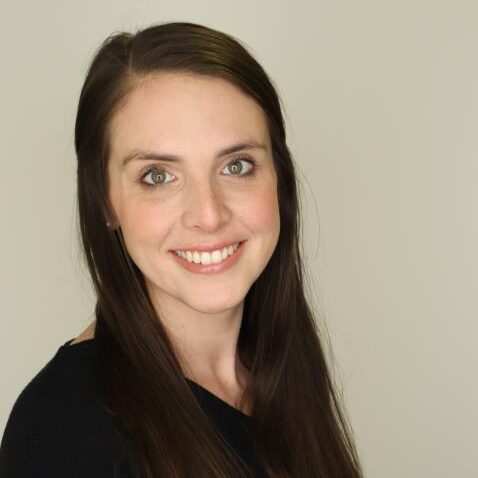
Katey Baruth, PhD LP (CT), LPHSP (IN), LAC (IN), LMHC (IN)

Katey Baruth, PhD LP (CT), LPHSP (IN), LAC (IN), LMHC (IN)


PhD in Counseling Psychology, New Mexico State University MA in Counseling, University of North Carolina at Charlotte BA in Psychology, Queens University Katey Baruth serves as a core faculty lecturer for the CMHC program. She held a full-time faculty position as a director of a counseling program, where she also served as a core faculty member, for over 13 years before joining OU. She has also worked as a program manager in a rural community mental health clinic, as well as a variety of different treatment settings, including inpatient hospitals and outpatient clinics over the past 20 years. She is a licensed psychologist, licensed professional counselor (LPC), licensed mental health counselor (LMHC), licensed clinical addictions counselor (LCAC), health service provider in psychology (HSPP), and national certified counselor (NCC). Her professional and research interests include social media, resilience, and addictions. She received her Ph.D. in counseling psychology from New Mexico State University, M.A. in counseling with a specialization in addictions from the University of North Carolina at Charlotte, and B.A. in psychology from Queens University.

READ BIO

Shannon Bert, PhD

Shannon Bert, PhD


Post Doctoral Fellowship – Assistant Research Professorship, Georgetown University, Center on Health and Education, 2005-2007 PhD in Developmental Psychology & Minor in Quantitative Statistics, University of Notre Dame, 2006 MA in Developmental Psychology, University of Notre Dame, 2004 BA in Psychology & Minor in Communication, University of Oklahoma, 2001 Shannon Bert, PhD, is a distinguished leader in developmental science and program administration, serving as the program director for the online Clinical Mental Health Counseling (CMHC) program. With expertise in designing and evaluating strategies that foster positive development, she has made substantial contributions to social behavior, family systems, developmental psychology, and abuse prevention and intervention. Dr. Bert’s leadership extends beyond academia through her stewardship of major federally funded research grants at Georgetown University and her sustained success securing NIH and Promoting Healthy Families grants at the University of Notre Dame. She has shaped scholarly discourse as co-editor and contributor to influential books and over 30 journal publications. Her commitment to leadership is evident in her administrative roles at the University of Oklahoma, where she has chaired key committees, including the Executive Committee for Advanced Programs and the Dean’s Advisory Committee on Women’s Issues. She continues to guide academic scholarship through her service on editorial boards for leading journals in youth development and family studies.

READ BIO

Katie Braeuer, PhD, LPC-S, LCDC, NCC

Katie Braeuer, PhD, LPC-S, LCDC, NCC


PhD in Counselor Education and Supervision, Texas Tech University MS in Clinical Mental Health Counseling, University of North Texas BA in Criminal Justice and Psychology, Friends University, 1998 Katie Braeuer, PhD, is a core faculty lecturer for OU’s online clinical mental health counseling program. She is a nationally certified counselor (NCC), licensed professional counselor-supervisor (LPC-S), and licensed chemical dependency counselor (LCDC) in the state of Texas. She has extensive field experience as a counselor in settings including community mental health clinics, a university counseling center, juvenile probation and detention, and private practice. Most recently, she worked as the behavioral health coordinator for county juvenile corrections and developed numerous programs to serve youth engaged at varying levels of the justice system. She has taught undergraduate and graduate classes part-time before joining the faculty at OU and is passionate about quality counselor education. Her clinical and research interests include adolescent counseling, juvenile justice, telehealth, and addictions. She received her bachelor’s degree in criminal justice and psychology from Friends University, a master’s degree in clinical mental health counseling from the University of North Texas, and a doctoral degree in counselor education and supervision from Texas Tech University.

READ BIO

David J. Bright, PhD, LMHC, NCC

David J. Bright, PhD, LMHC, NCC


PhD in Counselor Education, Pennsylvania State University, 2020 MS in School Counseling, University of Scranton, 2015 BA in History and Philosophy, University of Scranton, 2012 David J. Bright is a core faculty lecturer for OU’s online clinical mental health counseling program. He earned his Master’s in School Counseling from the University of Scranton and his PhD in Counselor Education from the Pennsylvania State University. He has professional experience as a school counselor, career counselor, mental health therapist, and executive functioning coach across the states of New Jersey, New York, Pennsylvania, and Vermont and currently works as a psychotherapist out of New York City. Prior to joining the program, he was an assistant professor of counselor education at SUNY New Paltz. His clinical and research interests include the needs of rural low-income populations, career development, and anxiety management. His latest book, “The Tao of Anxiety,” explores the intersection of eastern and western philosophies and their relevance to anxiety reduction.

READ BIO

Jennifer Dohlman, EdD, LPC(S), NCC, ACS, CCAT

Jennifer Dohlman, EdD, LPC(S), NCC, ACS, CCAT


EdD in Counselor Education and Supervision, National Louis University, 2024 MS in Community Counseling, 2003 BA in Psychology and English, 2001 Jen Dohlman, EdD, is core faculty within the online clinical mental health counseling program at the University of Oklahoma. She has over 20 years of counseling experience in various settings, including traditional and nature-based outpatient therapy, urban underserved hospital-based crisis intervention, crisis response in rural Appalachia, substance abuse treatment programs, and a geriatric intensive outpatient program. She grew up near Washington, D.C., and later moved to western Maryland, attending high school a mile off the Appalachian Trail. These experiences led to her doctoral research on the challenges of providing ecotherapy in urban areas including environmental justice concerns. Recognizing the unique value that each student possesses, she brings her passion for helping others into the classroom and is committed to fostering academic success and encouraging students to use our unique qualities to connect with clients in meaningful ways. In addition to working with clients and with students, she is involved as a leader within the Oklahoma Counseling Association and the ACES Climate Justice in Counseling Interest Network.

READ BIO

Matthew A. Gonzales, PhD, LAC, NCC

Matthew A. Gonzales, PhD, LAC, NCC


PhD in Counselor Education, Auburn University, 2024 MEd in Clinical Mental Health Counseling, Auburn University, 2020 BA in Psychology, Southwestern University, 2018 Matthew A. Gonzales, PhD, is a core faculty lecturer and serves as the clinical coordinator for OU’s online clinical mental health counseling program. As a counselor educator, he values the relationships he creates with his students and strives to create an educational environment in which all students feel safe and empowered in their learning. He has experience practicing in inpatient psychiatric and private practice settings where he works from an existential perspective. His current scholarship focuses on liberation and existentialism in higher education, clinical supervision, and counseling. He currently serves as the Association for Humanistic Counseling (AHC) Executive Board Secretary and provides mentorship through the AHC Emerging Leaders program. In his free time, he loves to play flamenco guitar and spend time with his wife and their cat. He received his bachelor’s degree in psychology from Southwestern University, a master’s degree in clinical mental health counseling, and a doctoral degree in counselor education from Auburn University.

READ BIO

Elizabeth A. Hennington, EdD, LPC-S (TX), LPC (OK), CSC, BC-TMH

Elizabeth A. Hennington, EdD, LPC-S (TX), LPC (OK), CSC, BC-TMH


EdD in Special Education, Texas Tech University 2010 MA in Counseling, Wayland Baptist University 2016 MEd in Special Education, Texas Tech University 2003 BS in Elementary Education, University of Central Arkansas 1994 Beth Hennington, EdD, is a core faculty lecturer in OU’s online clinical mental health counseling program and has been a counselor educator since 2012. She is a Licensed Professional Counselor Supervisor (LPC-S) in Texas, a Licensed Professional Counselor (LPC) in Oklahoma, a Certified School Counselor (CSC), a Board Certified Telemental Health Provider (BC-TMH), and an Educational Diagnostician. She has developed and taught online master’s level coursework in the areas of counseling, special education, human services, and psychology for the past 15 years. Her clinical experience includes counseling at-risk children and adolescents in schools, women’s protective services, the local community counseling center, and outpatient with individuals and groups through her private practice. Her research interests include gatekeeping in counselor education, distance education, counselor self-care, assessment, and expressive arts in the counseling setting.

READ BIO

Chris Hennington, PhD, LPC-S, CSC, NCC

Chris Hennington, PhD, LPC-S, CSC, NCC


PhD in Counselor Education and Supervision, Texas Tech University, 2011 MEd in School and Community Counseling, Texas Tech University, 2005 MEd in Educational Psychology, Texas Tech University, 2003 BA in Psychology, Lubbock Christian University, 2000 Chris Hennington, PhD, is a core faculty lecturer, the program coordinator, and liaison for the online clinical mental health counseling program. Before moving to the online program, Dr. Hennington was a clinical advisor for on-campus graduate students at OU. He teaches counseling courses in the clinical mental health counseling program. His specialization is child and adolescent counseling, assessment, and research. He is a licensed professional counselor–supervisor (LPC-S) in Texas, a nationally certified counselor (NCC), and a certified school counselor (CSS). Prior to coming to OU, he was an associate professor at Lubbock Christian University for 12 years and worked in private practice for 14 years. Before his career in higher education, he was a special education teacher and school counselor.

READ BIO

Kirsten Kram, PhD, LPC, RPT, CCPT-S, CPRT-S

Kirsten Kram, PhD, LPC, RPT, CCPT-S, CPRT-S


PhD in Counseling, University of North Texas, 2019 MS in Counseling and Development, Texas Woman’s University, 2015 BA in Psychology, University of North Texas, 2012 Kirsten Kram, PhD, core faculty lecturer for OU’s online clinical mental health counseling program, is a licensed professional counselor (LPC), registered play therapist (RPT), and supervisor for the Child Centered Play Therapy and Child Parent Relationship Therapy certifications (CCPT-S, CPRT-S). Her specializations are play therapy, working with clients across the lifespan who have experienced complex trauma, and supervision. She also has experience as a clinical director at a domestic violence and sexual assault nonprofit.

READ BIO

Carrie Mitran, PhD, LCMHC (NC) LPCC-S (CA), NCC

Carrie Mitran, PhD, LCMHC (NC) LPCC-S (CA), NCC


PhD in Counselor Education, Education Leadership, and Human Development, North Carolina State University, 2021 MEd in Clinical Mental Health Counseling, North Carolina State University, 2019 BA in Human Resource Management and Business, William Peace University, 2008 Carrie Mitran, Ph.D., is a core faculty lecturer for OU’s online clinical mental health counseling program, bringing clinical and academic experience to her role. She received her PhD in counseling education, educational leadership, and human development from North Carolina State University, MEd in clinical mental health counseling from North Carolina State University, and BA in human resource management from William Peace University. Her counseling experience spans community college wellness centers, community mental health clinics, career counseling, inpatient settings, and private practice. She currently maintains a private practice in downtown San Francisco, specializing in serving neurodivergent individuals and couples. Her academic career has included lecture appointments at Saint Mary’s College of California, San Francisco State University, Oregon State University, and California Institute of Integral Studies before joining OU’s online Clinical Mental Health Counseling program. She holds licenses as a Clinical Mental Health Counselor and Supervisor in California (LPCC-S), Licensed Clinical Mental Health Counselor in North Carolina (LCMHC), and is a National Certified Counselor (NCC). She is passionate about developing universal design principles for classroom settings with a focus on critical thinking and inquiry-based learning and has authored and co-authored multiple journal publications. Additionally, she has international experience working in International Baccalaureate (IB) schools, further enriching her global perspective on education and mental health.

READ BIO

Jane E. Rheineck, PhD, LPC, NCC

Jane E. Rheineck, PhD, LPC, NCC


PhD in Counselor Education, University of Arkansas MS in Counseling, University of Arkansas BSE in Communication Disorders, University of Arkansas Jane Rheineck, PhD, is a core faculty lecturer in OU’s online clinical mental health counseling program. She is a licensed professional counselor (LPC) in Wisconsin. She has been a counselor educator since 2005 and has taught both master’s and doctoral-level courses that focus on a broad range of topics. She is the author or co-author of several articles and numerous book chapters. She has been a CACREP liaison, has served on university committees, and has served the American Counseling Association, SAIGE, and AADA. Her experience includes inpatient residential treatment, outpatient counseling, and counseling as a school-based mental health counselor, with experience in higher education/student affairs with an emphasis on student development and counseling. She received her bachelor’s degree in communication disorders, a master’s degree in counseling, and a doctoral degree in counselor education from the University of Arkansas.

READ BIO

Jordan Rogers, PhD, LPC-S (TX), LPC (CO)

Jordan Rogers, PhD, LPC-S (TX), LPC (CO)


PhD in Counseling, University of North Texas, 2020 MS in Counseling and Development, Texas Woman’s University, 2015 BA in Psychology, University of North Texas, 2012 Jordan Rogers, PhD, is a Core Faculty Lecturer in the online Clinical Mental Health Counseling program at the University of Oklahoma. She is a Licensed Professional Counselor and Supervisor (LPC-S) in Texas and a Licensed Professional Counselor (LPC) in Colorado. She has worked with individuals and groups across the lifespan in a variety of mental health settings. She approaches counseling and counselor education from an existential humanistic perspective, integrating reflective and experiential methods to enrich the learning process. Her professional interests include clinical supervision, career development, group counseling, professional identity formation, child-centered play therapy, child-parent relationship training (CPRT), and the integration of expressive arts in counseling and supervision.

READ BIO

Back

Program Outcomes: What You'll Learn

Program Outcomes: From Classroom to Counseling Practice

OU’s online Master of Clinical Mental Health Counseling program empowers students to assess and respond to the complex needs of individuals facing mental health challenges and crises. 

Through this program, you will: 

  • Prepare for the National Counselor Exam by earning a qualifying degree, completing clinical hours, and developing practical skills aligned with today’s mental health demands 
  • Explore counseling topics that connect directly to your professional interests through research and applied learning 
  • Identify and understand a wide range of psychopathological conditions 
  • Examine how various medications influence mood and behavior 
  • Address varied client experiences that impact mental health 
  • Build a strong professional identity as a clinical mental health counselor serving a variety of communities in clinical, administrative, professionally responsive, and leadership roles
  • Practice within the ethical scope defined by the Oklahoma State Board of Behavioral Health and the 2014 ACA Code of Ethics, ensuring effective clinical outcomes and reflective professional growth 
  • Gain counseling expertise across the lifespan, including case conceptualization, assessment, diagnosis, treatment planning, outcome evaluation, and documentation in individual, group, and career counseling settings 
  • Become a skilled consumer of research, using evidence-based practices and theory-driven interventions to inform your work and evaluate programs 
  • Integrate theories of human behavior and mental health into counseling strategies that support the wellness of varied populations across individual, group, and career contexts 
Program Outcomes: What You'll Learn

Course Details

The Master of Clinical Mental Health Counseling offers a comprehensive foundation in the field while preparing students to lead with empathy, adaptability, and cultural intelligence. You will learn to embrace a variety of perspectives across age groups, cultures, and socioeconomic backgrounds, and develop the agility to thrive in an ever-evolving mental health landscape.

Course Structure

You will earn 60 credit hours across 20 courses. All courses feature required live evening lectures from 7 to 8 pm CT or 7 to 8:30 pm CT.

You’ll take three courses at a time during Spring and Fall semesters, one 16-week classes and two 8-week classes (no more than two at a time). During the Summer semester, you’ll take two courses, one 14-week course and one 8-week course.

You can expect a time commitment of 10 to 20 hours on average per week until you reach your practicum and internship semesters. Once you begin clinical classes, many sites require interns to be in attendance for 20 hours to ensure direct hour requirements are met.

*During your final three semesters, you will complete a Practicum and Internship. These typically require approximately 20 hours per week at your chosen site, in addition to class time and coursework.

Practicum

  • 100-hour practicum in 3rd semester

Internship

  • 600-hour internship (300 hours each course) in the 7th and 8th semesters - Internship I and Internship II

Residency

  • In addition to asynchronous coursework and live online class sessions, students will attend two two-day residencies on either the OU campus in Norman or the HSC campus in Oklahoma City (beginning summer of 2026)
  • During each residency, students will complete experiential components of selected courses by coming to campus and meeting all day over a two-day period.
  • This residential experience is a required part of the program
  • Students will need to cover their own travel expenses

Core Courses

Group Counseling in Human Relations
Credit Hours: 3
Examines a variety of group counseling models, types of groups (process, solution-focused, action-oriented), the role of the group counselor, group members, and techniques and strategies for facilitating group work.

Ethical Issues in HR Counseling
Credit Hours: 3
This course surveys ethical, legal, and professional issues facing human services workers.

Research for Counseling
Credit Hours: 3
This course examines techniques involving quantitative, qualitative, and mixed methods methodology will be introduced and applied to clinical mental health counseling settings. Special attention will be given to program evaluation and techniques in applying research methods to clinical practice.

Counseling Theories in Clinical Mental Health Counseling
Credit Hours: 3
This course emphasizes skills training in counseling approaches utilized by human relations practitioners. The skills training is organized according to basic counseling and psycho-therapy theories, including psychodynamic, behavioral, cognitive, existential-humanistic, multicultural, systemic and integrative approaches.

Career Counseling
Credit Hours: 3
Explores conceptual and functional tools for enhancing career development of children, youth and adults in both counseling and corporate human resource relationships. Class participants can experience a variety of career assessment tools including interest in inventories, personality assessments and values clarification exercises. Career counseling strategies for a variety of life situations are discussed.

Multicultural Counseling
Credit Hours: 3
The model of multicultural understanding followed in this course is intended to increase the understanding of culturally diverse groups. This class is both practice and theory oriented. Emphasis will be placed on providing a broader knowledge base and developing the skills to counsel individuals from various cultures.

Assessment and Evaluation in Counseling
Credit Hours: 3
An examination of the major individual, marital, and family assessment strategies and instruments. Students will receive training in the use of both testing and non-testing approaches to assessment and appraisal. Attention will be given to the relationship between assessment, diagnosis, and treatment planning.

Human Growth and Development
Credit Hours: 3
This course will explore development through the human life span from a psycho-social approach and will examine theoretical approaches from the mid-twentieth century to recent theoretical perspectives. In this context, the expanding social realm of the developing individual will be discussed along with research in a variety of areas related to social development including cognitive and social neurosciences.

Required Focused Courses

Clinical Practicum
Credit Hours: 3
This course includes supervised practical experience at approved practicum sites. Emphasis on counseling theory, practice skills, professional identity, and theory and technique integration. Weekly conferences on counseling issues, practice development, and professional identity.

Addiction Counseling
Credit Hours: 3
Explores how addiction affects physical, psychological, and social functioning in individuals and communities. The dynamics of addiction, treatment, and the recovery process are explored. Attention is given to the emotional, physical, psychological, and sociocultural aspects of addiction.

Counseling Skills in Human Relations
Credit Hours: 3
Introduce students to the helping professions and provide them with a basic mastery of important counseling skills in human relations.

Diagnosis in Human Relations Counseling
Credit Hours: 3
Introduces students to the diagnostic systems of mental disorders outlined by the American Psychiatric Association and the World Health Organization. It also covers principles and techniques of interviewing which produce a correct diagnosis.

Couples and Family Counseling
Credit Hours: 3
This course explores different methods and theoretical approaches for counseling intimate interpersonal relationships and families.

Counseling With Children, Adolescents, and Families
Credit Hours: 3
This course will explore various theories, modalities, and practices working with young children, adolescents, and their families. Students will be introduced to theories of development; individual, group and family therapies, and a meta-theoretical framework of social construction.

Advanced Counseling Skills
Credit Hours: 3
An advanced study of various counseling approaches with opportunities for demonstration and evaluation of each student's counseling skills. Designed to provide the student with advanced exploration and analysis of current counseling practice. Students will be expected to demonstrate the ability to analyze, synthesize, critique, and discuss, in verbal and written form, the key concepts of traditional and contemporary counseling practice.

Crisis Intervention and Trauma Counseling
Credit Hours: 3
Designed to facilitate knowledge and skills related to crisis intervention and trauma counseling. Focuses on individuals, families, and groups facing mental, physical, developmental, occupational, residential, and environmental crises, as well as the methods of assessment and intervention.

Psychopathology
Credit Hours: 3
Provides an in-depth review of a broad spectrum of psychopathological conditions. The focus of the review will include the etiology, prevalence and incidence, signs and symptoms, and criteria for differential diagnoses. The emphasis of this review will be on comparing different theoretical perspectives of each disorder.

Introduction to the Counseling Profession
Credit Hours: 3
This course introduces the graduate student to the practice of Licensed Professional Counselors (LPC), utilizing instructor(s) from the LPC field. This course covers the history, development, and implementation of licensed counselors.

Counseling Internship I
Credit Hours: 3
The internship is 300 total hours of direct and indirect on-site work experience at an agency, organization, business firm, institution or other professional or industry setting to fulfill the requirement for a Master of Clinical Mental Health Counseling. The Internship provides extensive supervised on-the-job experience in a setting within the counseling profession.

Counseling Internship II
Credit Hours: 3
The internship is 300 total hours of direct and indirect on-site work experience at an agency, organization, business firm, institution or other professional or industry setting to fulfill the requirement for a Master of Clinical Mental Health Counseling. The Internship provides extensive supervised job experience in a setting that is within the counseling profession.

Why OU

Why Choose OU Online for a Master of Clinical Mental Health Counseling?

OU Online delivers high-quality, affordable undergraduate and graduate programs in a flexible online format—backed by the reputation of a top-tier public institution. The mission of the Clinical Mental Health Counseling program is to shape ethical, compassionate practitioners equipped with the knowledge, skills, and professional disposition to serve a variety of populations. Graduates are prepared to make a lasting impact in both private and public mental health settings, advancing wellness and equity across communities.

Faculty Expertise 

The Master of Clinical Mental Health Counseling is built on the foundation of world-class University of Oklahoma faculty mixed with professors of practice providing valuable instruction. By linking industry experts with our online programs, we offer the most advanced curriculum and prepare students for future career success.  

Robust Student Support 

OU Online offers robust student support services, including academic support, online tutoring, mental health counseling, and an online career development center. The program accommodates the needs of working professionals, allowing you to expand your skills while maintaining full-time employment. 

Global Alumni Network 

With more than 250,000 alumni across the world, becoming a Sooner means you’ll have access to a strong network of counseling professionals to accelerate your career. As a Sooner, you’ll be part of a powerful network of leaders working in the field across the world, helping you expand your counseling career. 

Why OU

Flexible Format

The Master of Clinical Mental Health Counseling is delivered in a fully online, flexible format designed for working professionals around the world. Earn your degree in as few as 30 months while maintaining full-time employment and managing personal commitments. Study from anywhere and gain the specialized knowledge needed to thrive in today’s mental health landscape.

Tailored Experience

Move through the program at your own pace with other people who share your passion for counseling and your drive to make a difference. You will engage in meaningful online discussions with faculty and peers, build lasting professional connections, and grow your network in the mental health field—all while developing the skills to thrive in multiple types of counseling environments.

Cost & Financial Aid

Cost & Financial Aid

Earning a Master of Clinical Mental Health Counseling is a powerful investment in your future—and OU Online is committed to making that investment accessible and transparent. 

Tuition and fees for the program total $50,700 ($845 per credit hour*). Books and additional materials are not included. 

Financial aid, scholarships, and employer tuition assistance may be available to help reduce your out-of-pocket costs. Our dedicated financial services team will support you every step of the way—so you can stay focused on your education and career goals.  

For questions about financial aid for your online program, contact the Online Aid office at onlineaid@ou.edu or call 405-325-2929. 

A nonrefundable deposit of $350 is required upon admission to secure your place in the program. This deposit guarantees your spot in your first semester of courses and will be applied toward your first semester’s tuition.

* Please be aware that tuition and fees may change, as determined by the Oklahoma State Regents for Higher Education.

Transfer Credit

This program does not accept transfer credit.

Cost & Financial Aid

Mission

The mission of the OU Online graduate program in Clinical Mental Health Counseling is to develop ethical and sensitive practitioners with the counseling knowledge, skills, and dispositions to work with individuals, groups, and families from a broad range of backgrounds in private and public mental health settings, improving mental health and holistic wellness across communities. The CMHC program’s purpose is to develop students in the following domains:

  1. Counseling Awareness, Knowledge, and Skills: Understanding and application of counseling competence at a level considered proficient for licensed professional counselors. These competencies are aligned with areas of foundational and specialty counseling curriculum as required by CACREP and proficiency on the comprehensive exam.
  2. Ethical Disposition: Application of ethical practices, sensitivity, and professional disposition with individuals, groups, and families from a broad range of backgrounds in accordance with the OU Student Rights and Responsibilities Code of Conduct, the 2014 ACA Code of Ethics, and multi-state licensing standards.

The CMHC program’s mission is undergirded and supported by the overall mission at the University of Oklahoma – to provide the best possible educational experience for our students through excellence in teaching, research, and creative activity, and service to the state and society.

Course Objectives

The objectives of the OU Online CMHC program are based on current knowledge concerning the counseling and human development needs of a varied society. Developed in collaboration with current and former students, personnel from cooperating agencies, various accrediting agencies, and colleagues in this and other university settings, the counseling faculty identified the following objectives for providing excellence in counselor education:

  • Comprehensive Professional Identity
    • Help students establish and enhance a professional identity as a clinical mental health counselor assisting a variety of communities in clinical, administrative, professionally responsive, and leadership roles.
  • Ethical Practice
    • Ensure students adhere to professional counselors’ ethical scope of practice, including knowledge, skills, and dispositions, consistent with the Oklahoma State Board of Behavioral Health rules and regulations and the 2014 ACA Code of Ethics to support clinical outcomes and maintain a reflective professional practice.
  • Counseling Excellence
    • Equip students with effective counseling knowledge, skills, and dispositions across the lifespan, including case conceptualization, assessment, diagnosis, treatment planning, planning and measuring outcomes, and documentation within individual, group, and career counseling paradigms.
  • Empirical Foundations
    • Train students to be responsible consumers of research to inform practice, including program evaluation, evidence-based practices, and theory-based interventions appropriate to their designated counseling setting and professional theoretical orientation.
  • Theoretical Foundations
    • Teach students to incorporate theories of human behavior and mental health through integration with individual, group, and career counseling to help diverse populations’ mental health and wellness.
  • Professional Practice
    • Equip students with the knowledge and skills to enter the counseling profession and practice within a variety of settings.

Take the Next Step

To apply to the online Master of Clinical Mental Health Counseling program, you must hold a bachelor’s degree from a regionally accredited college or university, or the international equivalent. Applicants should have an undergraduate GPA of at least 3.0 or a graduate GPA of 2.8 to be considered for admission. 

Application Process

  • Complete an online application at https://gograd.ou.edu/apply/ 
  • Have an undergraduate GPA of at least 3.0 or a graduate GPA of 2.8 
  • Provide official transcripts from all institutions attended 
  • Submit a current resume 
  • Submit three letters of recommendation 
  • One being a character reference 
  • Submit one personal statement demonstrating graduate-level writing
  • International students must submit a TOEFL score

Application Timeline 

The admissions committee follows a rolling admissions process, reviewing applications as they are received. While admissions may remain open until two weeks before classes begin, some programs may set earlier deadlines. Once your application is complete, the committee aims to provide a decision within two weeks—so you can plan your next steps with confidence.  A nonrefundable deposit of $350 is required upon admission to secure your place in the program. This deposit guarantees your spot in your first semester of courses and will be applied toward your first semester's tuition.

Step 1

Contact an Enrollment Coach to discuss your qualifications and interest in the program.

Step 3

Provide supplemental materials, including a resume, personal statement, three letters of recommendation, two writing samples, and transcripts from all institutions attended.

Back

YOUR FUTURE STARTS HERE

Complete the form below to learn more about our online programs and how to get started.

By submitting this form, l consent to the University of Oklahoma (OU) and its agents contacting me about educational opportunities via automated calls, text messages, and/or email at the number and email provided. Message and data rates may apply. Consent is not required to attend the OU or to receive information by other means. For details on how OU collects and protects your information, review the Privacy Policy.