Online Executive Master of Healthcare Administration

Prepare for executive leadership roles across clinical, public, and corporate healthcare systems.

START HERE

Share a few details and we'll connect you with an enrollment coach to discuss your goals and next steps.

By submitting my information, I consent to being contacted by The University of Oklahoma and/or OU Education Services via SMS/text message, phone, email, and other electronic means, including through the use of an automatic telephone dialing system, AI-powered technologies, and artificial or pre-recorded voice, for purposes related to OU’s program portfolio; my contact information will not be shared with third-party affiliates. Message and data rates may apply. Opt-out of communications any time by replying STOP to SMS, asking to be removed during a call, or clicking the unsubscribe link in emails. For support, refer to the Privacy Policy and Terms of Service for more details.

At a Glance

The online Executive Master of Healthcare Administration from OU Online prepares experienced healthcare professionals for executive leadership roles. Courses are taught by faculty from OU’s Hudson College of Public Health—the only CEPH-accredited public health college in Oklahoma—and emphasize real-world leadership across clinical, public health, and corporate healthcare settings.

Whether your goal is to move into senior management or transition into executive-level leadership, you’ll gain the skills to drive organizational performance, navigate industry challenges, and influence healthcare delivery at scale. Delivered 100% online, the program offers the flexibility to advance your education while continuing to grow your career.

100% Online

Time to Complete:

24+ Months

Credit Hours:

42

Time Commitment:

10-20 hours weekly

start dates

Fall, Spring, & Summer

cost

The Executive Master of Healthcare Administration is designed as a high-value investment in advanced healthcare leadership preparation. The program equips professionals with the skills needed to step into executive roles and expand long-term earning potential across healthcare systems.

Tuition and fees for the program are $24,150 ($575 per credit hour). Books and additional materials are not included.

START HERE

Share a few details and we'll connect you with an enrollment coach to discuss your goals and next steps.

By submitting my information, I consent to being contacted by The University of Oklahoma and/or OU Education Services via SMS/text message, phone, email, and other electronic means, including through the use of an automatic telephone dialing system, AI-powered technologies, and artificial or pre-recorded voice, for purposes related to OU’s program portfolio; my contact information will not be shared with third-party affiliates. Message and data rates may apply. Opt-out of communications any time by replying STOP to SMS, asking to be removed during a call, or clicking the unsubscribe link in emails. For support, refer to the Privacy Policy and Terms of Service for more details.

About the EMHA Online Degree

The University of Oklahoma’s online Executive Master of Healthcare Administration is a 42-credit-hour program designed for experienced healthcare professionals looking to advance into executive leadership roles across healthcare systems, policy, and organizational administration.

Offered through OU’s Hudson College of Public Health, the only CEPH-accredited public health college in Oklahoma, the program builds advanced expertise in healthcare leadership, financial management, policy, quality improvement, and health systems operations.

Designed for professionals with at least three years of healthcare experience, the program strengthens your ability to lead within complex clinical, public health, and corporate healthcare environments. You’ll develop the strategic and operational capabilities needed to guide organizations, improve system performance, and influence healthcare delivery at scale.

The curriculum blends executive-level management training with applied healthcare leadership practice, preparing you to navigate healthcare policy, manage resources effectively, and lead organizational change in a rapidly evolving industry.

If you are interested in exploring our on-campus programs, please visit the University of Oklahoma Hudson College of Public Health Academic Programs.

What Can I Do With the EMHA Online?

The online Executive Master of Healthcare Administration at OU Online prepares experienced healthcare professionals to advance into executive and senior leadership roles across complex healthcare systems. The program strengthens your ability to lead organizations through challenges in healthcare policy, finance, operations, quality improvement, and systems transformation. Whether you’re looking to move into senior management, transition into executive leadership, or expand your influence within your current healthcare organization, this degree builds the strategic and operational expertise needed to lead at scale in today’s evolving healthcare landscape. Accelerate your career in these areas:

  • Hospital Administrator
  • Healthcare Consultant
  • Chief Nursing Officer
  • Medical Director
  • Health Services Manager
  • Healthcare Policy Analyst
  • Health Care Project Manager
  • Nursing Home Administrator

Whether advancing within an existing organization or stepping into new leadership opportunities, graduates of OU’s Executive Master of Healthcare Administration are prepared to lead healthcare systems, improve organizational performance, and influence the delivery of care at the highest levels.

Industry Insights

Healthcare administration continues to be one of the fastest-growing fields in the U.S. As healthcare organizations grow in scale and sophistication, demand is increasing for leaders who can manage operations, improve quality outcomes, oversee financial performance, and guide organizations through regulatory and structural change.

Executive-level healthcare professionals are expected to bridge clinical priorities with business strategy, data-informed decision-making, and systems-level thinking.

  • Median Pay: $110,680 annually for Medical and Health Services Managers
  • Job Outlook: Employment of medical and health services managers is projected to grow 29% by 2032, much faster than the average for all occupations.
  • Job Openings: 63,700 openings for social workers are projected each year, on average, over the next decade.

*The median pay figures reflect earnings for professionals working in these occupations and may represent mid-career compensation. Entry-level salaries vary based on role, employer, experience, and geographic location.

Source: U.S. Bureau of Labor Statistics

Back

Program Outcomes: What You'll Learn

Program Outcomes: What You'll Learn

OU’s online Executive Master of Healthcare Administration equips you with the advanced leadership, management, and strategic skills needed to guide healthcare organizations through complex operational, financial, and policy environments.

The program emphasizes applied healthcare leadership, preparing you to make informed decisions, improve organizational performance, and lead system-level change across clinical, public health, and corporate healthcare settings.

Through this program, you’ll learn how to:

  • Develop strong management skills and prepare for strategic leadership roles in healthcare
  • Build expertise in health policy and economics to improve patient care and operational efficiency
  • Gain specialized skills to strengthen and improve organizations

Whether advancing within your current organization or stepping into executive leadership roles, the EMHA prepares you to lead healthcare systems, strengthen organizational effectiveness, and improve the delivery of care at scale.

Program Outcomes: What You'll Learn

Course Details

OU’s Executive Master of Healthcare Administration provides a comprehensive foundation in healthcare leadership, administration, finance, policy, and organizational management. The curriculum explores the complex systems, regulations, and operational challenges that shape modern healthcare organizations.

Through coursework in healthcare systems, financial management, strategic planning, quality improvement, health information systems, and healthcare law and ethics, you’ll develop the skills needed to lead organizations, improve performance, and support effective healthcare delivery. The program emphasizes practical application, preparing you to address real-world challenges in clinical, public health, and corporate healthcare environments.

Course Structure

Students complete 42 credit hours across 15 courses. Most students take 2 to 3 courses per semester. Three-credit-hour courses are delivered in 8-week formats, while two-credit-hour courses are completed in 7-week formats. Courses are taken simultaneously, providing a structured yet flexible learning experience designed for working professionals.

Featured Courses

  • U.S. Healthcare Systems
  • Quantitative Methods in Health Administration
  • Health Forecasting & Budgeting
  • Healthcare Law & Ethics
  • Financial Management of Health Service Organizations
  • Managed Care & Integrated Delivery Systems
  • Strategic Management in Health Service Organizations
  • Health Care Quality Management
  • Health Information Systems
  • Human Resources Management

Expand each section below to view more about the courses included in this program, including detailed course descriptions.

U.S. Healthcare Systems

Credit Hours: 3
This course focuses on the history and structure of health organizations in the U.S. Also examined are the functional interrelations among institutional and financial arrangements in the health industry. The course concludes with a comparison of international health systems.

Health Forecasting & Budgeting

Credit Hours: 3
This course examines methods of developing forecasts and the budgets for the programmatic activity of health organizations that function in the public or private section.

Financial Management of Health Service Organizations

Credit Hours: 3
The course focuses on indicators of fiscal performance that are common to all health service organizations. Emphasized are the fundamentals of managing working capital, sources of funding and capital rationing. The course concludes with a discussion of advanced methods of improving profitability.

Strategic Management in Health Service Organizations

Credit Hours: 3
The course emphasizes elements of organizational strategy with a focus on leadership and the application of general themes to the health industry. Components of strategic plan, and the development, implementation and evaluation of plans in relation to organizational environments are also covered.

Health Information Systems

Credit Hours: 3
The course covers the methods, techniques and technologies used to collect, analyze, and disseminate information needed to effectively manage health service organizations. Includes, but is not limited to, the use of computers in managing organizations.

Quantitative Methods in Health Administration

Credit Hours: 3
The focus of the course is on the application of statistical analyses to administrative functions, issues or problems that are germane to health service organizations. Excel and other statistical packages are used to perform required calculations.

Healthcare Law & Ethics

Credit Hours: 3
An overview course focusing on the impact of laws and regulations on the processes involved in delivering health care services, and the ethical issues raised. Topics covered include civil liability in the provider-patient relationship, treatment consent and refusal, licensing and medical staff, antitrust, and managed care issues.

Managed Care & Integrated Delivery Systems

Credit Hours: 3
This course focuses on the structures and processes that characterize managed care organizations and integrated health systems. Contractual obligations and relations among health professionals are also discussed.

Health Care Quality Management

Credit Hours: 3
The course will provide an overview of concepts of the measurement of healthcare quality, including a fundamental understanding of the strengths and weaknesses of measuring structural, process, and outcomes measures, and will introduce various frameworks for improving the quality and safety of patient care. We will spend time discussing the role of leadership in driving healthcare quality improvement and will discuss fundamentals of teamwork skills used to improve care.

Human Resources Management

Credit Hours: 3
The course covers the basic concepts and theories of human resources management and their application in the health care organization. Included are current human resources management theories and techniques and their impact on the health care organization's personnel management practices.

Why OU

Why Choose OU Online for Healthcare Administration

OU Online combines the flexibility of online learning with the academic excellence of the University of Oklahoma and the ability of the Hudson College of Public Health, the only CEPH-accredited public health college in Oklahoma.

Designed for working healthcare professionals, the Executive Master of Healthcare Administration delivers a practical, leadership-focused curriculum that prepares students to navigate the challenges facing today’s healthcare organizations.

Faculty Expertise

Learn from faculty with expertise in healthcare administration, public health, policy, and organizational leadership. Drawing from professional experience, research, and industry engagement, they bring current perspectives on the evolving challenges facing healthcare organizations, including regulatory change, financial management, quality improvement, and health system operations.

Robust Student Support

OU Online provides comprehensive student support services designed to help you succeed throughout your academic journey. From academic resources and online tutoring to mental health services and career development support, you’ll have access to tools that help you balance graduate education with professional and personal responsibilities.

Built for working professionals, the program’s flexible online format allows you to advance your leadership and management expertise while continuing to work full time.

Global Alumni Network

When you become a Sooner, you join a network of more than 250,000 alumni around the world. This powerful community includes professionals working across healthcare systems, public health organizations, government agencies, and private industries.

As part of the OU alumni network, you’ll gain lifelong connections to fellow leaders, mentors, and professionals who can support your continued growth and career advancement.

Why OU

Flexible Format

The Executive Master of Healthcare Administration is delivered in a flexible, 100% online format designed for working healthcare professionals. Complete your degree in as little as 24 months while balancing career, family, and personal commitments. With fall, spring, and summer start terms, the program allows you to continue making progress toward your goals without putting your professional responsibilities on hold.

Coursework is designed to provide the convenience of online learning while maintaining meaningful engagement with faculty, peers, and course content, allowing you to study from anywhere while building advanced healthcare leadership expertise.

Tailored Experience

The Executive Master of Healthcare Administration brings together experienced professionals from across the healthcare industry in a collaborative cohort-based learning environment. As you progress through the program, you will engage with peers who bring diverse perspectives from clinical, administrative, public health, and healthcare operations settings.

Courses combine asynchronous and synchronous learning opportunities, creating flexibility while fostering meaningful discussion, collaboration, and professional networking. Through interactive coursework, faculty engagement, and peer learning, you’ll gain practical insights that can be applied immediately within your organizations and professional settings.

OU holds a deeply personal significance for me. I was born in Norman, Oklahoma, and although I moved to Mississippi when I was seven, my roots have always remained firmly planted in Oklahoma soil. Most of my family still lives there. My dad grew up in Noble, graduated from Noble High School, and attended OU but never completed his degree. My grandmother also worked for the university for many years, cleaning dorms and taking great pride in being part of the OU community. Because of that legacy, I’ve always felt a strong connection and a lifelong desire to earn a degree from my “heart” school. I graduated with my bachelor’s degree from the University of Mississippi (Ole Miss) but realized over the past year that I wanted to return to college to pursue my master’s degree. After working in healthcare administration for 31 years, I knew I wanted a program that would complement my experience and deepen my leadership skills. It’s still hard to believe that I’m a student at OU. I’m 53 years old, so it’s been challenging at times, but with a lot of patience and determination, I’m growing each day. Balancing a full-time leadership role at St. Jude Children's Research Hospital, two children in college, family responsibilities, and graduate studies hasn’t been easy. It’s been incredibly rewarding. What I’ve appreciated most about my OU experience so far is the sense of community and encouragement from classmates and faculty. Even in an online format, I’ve felt connected and supported. It’s empowering to see how education at this stage of life can still open new doors and strengthen my purpose. Being part of OU feels like coming full circle and I’m so proud to finally call myself a Sooner.
Jennifer Ware
Executive Master of Healthcare Administration, 2027
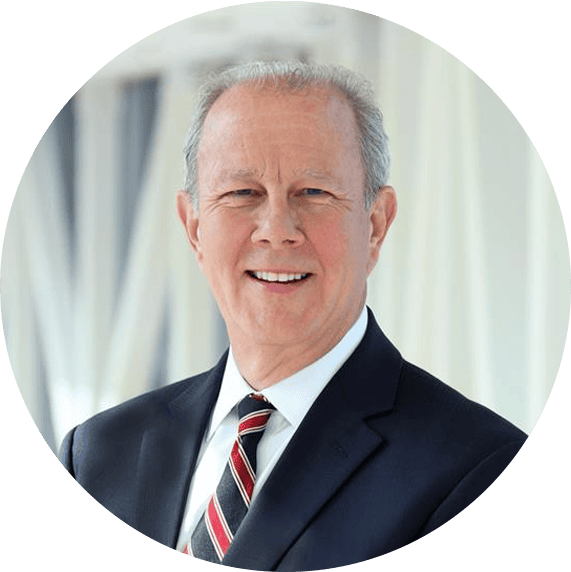
When you are part of an online public health program at the University of Oklahoma, you are connected to one of only 67 accredited schools of public health in the United States. Our exceptional faculty, active research program, and rigorous online curriculum will prepare you to make an immediate impact in the workplace and your community.
Dr. Dale Bratzler
Dean, Hudson College of Public Health, University of Oklahoma

Cost & Financial Aid

Earning your Executive Master of Healthcare Administration is an investment in your professional growth and long-term career advancement. OU Online is committed to providing clear, transparent information about program costs and available funding opportunities.

Tuition and fees for the program total $24,150 ($575 per credit hour for 42 credit hours). Books and additional materials are not included.

Financial aid, scholarships, and employer tuition assistance may be available to help reduce your out-of-pocket costs. Our dedicated financial services team can help you explore funding options and navigate the financial aid process, so you can stay focused on your education and career goals.

A nonrefundable deposit of $100 is required upon admission to secure your place in the program. This deposit guarantees your spot in your first semester of courses and will be applied toward your first semester’s tuition.

* Please be aware that tuition and fees may change, as determined by the Oklahoma State Regents for Higher Education.

Take the Next Step

To apply to the online Executive Master of Healthcare Administration Health program, you must hold a bachelor’s degree from a regionally accredited college or university (or the international equivalent) and a 3.0 cumulative GPA.*

Admissions Requirements

  • Complete the online application
  • Submit official transcripts from all previously attended institutions
  • Provide a current professional resume or curriculum vitae (CV)
  • Submit a written personal statement outlining your career goals and how the Executive Master of Healthcare Administration aligns with your professional aspirations

After submitting all required application materials, applicants will receive information about program faculty and be invited to schedule brief conversations with faculty members whose backgrounds and interests align with their professional goals. These conversations offer an opportunity to learn more about the program, discuss career goals, and engage directly with faculty before enrollment.

Applicants should have a preferred cumulative GPA of 3.0 or higher.*

*Note: 3.0 GPA or above is preferred. This can be cumulative, last 60 credit hours, or grad cumulative GPA. Students who have a 2.75 to 2.99 cumulative GPA will be considered for conditional admission.

Application Timeline

The admissions committee operates under a rolling admissions process, and admissions may continue until two weeks before the start of classes. However, some programs may have an earlier application deadline. The committee strives to respond to all applicants within two weeks from the time a completed application is submitted.

A nonrefundable deposit of $100 is required upon admission to secure your place in the program. This deposit guarantees your spot in your first semester of courses and will be applied toward your first semester's tuition.

Step 1

Contact an Enrollment Coach to discuss your qualifications and interest in the program.

Step 3

Provide supplemental materials, including official transcripts, a resume, and a personal statement. After submitting all required application materials, applicants will receive information about program faculty and be invited to schedule brief conversations with faculty members via a provided Calendly link.

Back

START HERE

Share a few details and we'll connect you with an enrollment coach to discuss your goals and next steps.

By submitting my information, I consent to being contacted by The University of Oklahoma and/or OU Education Services via SMS/text message, phone, email, and other electronic means, including through the use of an automatic telephone dialing system, AI-powered technologies, and artificial or pre-recorded voice, for purposes related to OU’s program portfolio; my contact information will not be shared with third-party affiliates. Message and data rates may apply. Opt-out of communications any time by replying STOP to SMS, asking to be removed during a call, or clicking the unsubscribe link in emails. For support, refer to the Privacy Policy and Terms of Service for more details.